
"coffee wood stain"
70 article(s) found
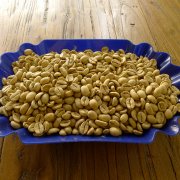
Indian monsoon treatment wind-stained Malaba boutique coffee cooked beans freshly roasted mellow black coffee
Coffee beans details: country: India production area: Malaba coast producer: India local farmers altitude: 3-1100 m treatment method: sun wind stain treatment grade: AA flavor: wheat, walnut wood, Nanyang spice, black honey every May or June, there will be a monsoon phenomenon in southwestern India, exposing raw coffee beans to the caress of the Indian Ocean seasonal sea breeze
Indian Wind stain treatment Coffee Flavor how to introduce the specific process of Wind stain treatment
For the exchange of professional baristas, please follow the coffee workshop (Wechat official account cafe_style) [wheat flavor, tea flavor] India Monsooned Malabar AA | weathered beans (India Monsooned Malabar AA) production area: India Malabar raw bean treatment method: wind stain treatment grade: AA flavor introduction wheat and straw flavor, roasted nuts, dried wood, Nanyang

Characteristics of wind-stained coffee in Malabar, India
For more information on coffee beans, please follow the coffee workshop (official account cafe_style of Wechat). When it comes to Asian coffee, most people will first think of Indonesian gold Manning or Toraya, or Vietnamese coffee or Lao coffee, as well as recently rammed up Taiwan coffee, China Yunnan coffee and so on. Indian coffee has a long history, and it also has a long history.

Flavor characteristics of wind-stained coffee in Malabar, India introduction to the treatment process of wind-stained coffee beans
Professional baristas Please follow the Coffee Workshop (official Wechat account cafe_style) when it comes to Asian coffee, most people will first think of Indonesian gold Manning or Toraya, or Vietnamese coffee or Lao coffee, as well as recently rammed up Taiwan coffee, China Yunnan coffee and so on. Indian coffee has a long history, and it is the first coffee grower in Asia.

Strange coffee with wheat flavor: Malabar style-stained coffee in India
When it comes to Asian coffee, most people will first think of Indonesian gold Manning and Toraya, or Vietnamese coffee or Lao coffee, as well as Taiwan coffee and Yunnan coffee, which have been rammed up recently. Indian coffee has a long history, and it is also the first country in Asia to grow coffee. It has always had a place in the coffee world.
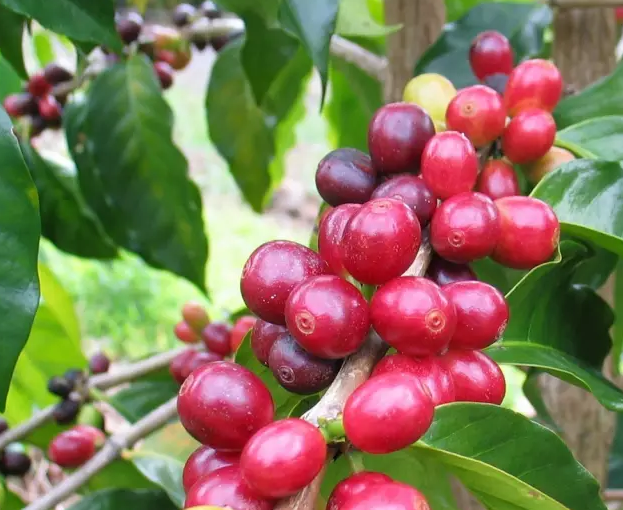
Indian Malabar style-stained coffee describes in detail how to maintain the effect of production methods on flavor.
When it comes to Asian coffee, most people will first think of Indonesian gold Manning and Toraya, or Vietnamese coffee or Liaoguo coffee, as well as recently developed coffee from Taiwan and Yunnan in China. Indian coffee has a long history, and it is also the first country in Asia to grow coffee. It has always had a place in the coffee world.

What is Indian monsoon coffee? What are the flavor characteristics of Indian-style Malaba coffee?
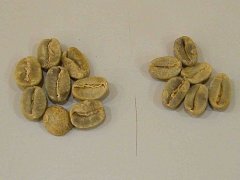
Professional coffee knowledge exchange more coffee bean information Please follow the coffee workshop (Wechat official account cafe_style) it is said that a long time ago, when raw coffee beans were shipped from India to Europe, changes were caused by high temperatures and moisture in the Indian Ocean, and this is where "wind stains" came from. In addition to the expansion and enlargement of the size of the raw beans after wind-soaked, the color of the raw beans is also changed from green to green.

Introduction to Malaba Coffee: how to Bake Malaba Coffee and how well it is roasted
Professional coffee knowledge exchange more coffee bean information Please pay attention to the coffee workshop (Wechat official account cafe_style) wind-stained Malaba coffee beans seem to be big and fat, but they are soft beans that are strong and dry outside, a change that has taken place after months of weathering. The coffee beans have been exposed to the wet monsoon for several weeks, which not only turns the beans yellow, but also reduces the acidity of the coffee itself.

India single Manor boutique coffee beans in addition to wind stains Malaba India what kind of coffee?
For more information on coffee beans, please follow the Coffee Workshop (Wechat official account cafe_style) Coffee in India. A lot of coffee is grown in the Gozhi Mountains in western India, where the southwest monsoon is crucial to coffee growth. Except in Karnataka, the best coffee is in Trichet in the southwestern state of Kerala.

Indian monsoon Malaba coffee bean planting processing variety information introduction how to make wind-stained coffee?
Professional coffee knowledge exchange more information about coffee beans Please pay attention to the coffee workshop (official Wechat account cafe_style) Coffee has become the first drink in the world only 1600 years later, so the recorded history of coffee is only 400 years similar to that of Taiwan. It is generally recognized that Africa is the home of coffee, originated in Ethiopia and spread to the world from the port of Mocha in Yemen.
Flavor characteristics of Indian Coffee Brand Mysore Nuggets Extra Bold Masojin Coffee
Professional coffee knowledge exchange more coffee bean information Please pay attention to the coffee workshop (Wechat official account cafe_style) there are few Indian coffee brands, usually only two: wind-stained Malaba and Masojin bricks. The raw beans of the wind-stained Malaba are dry, yellow and sweet, but a bit monotonous because they are shipped after being placed in a ventilated warehouse to be caressed by the Indian Ocean monsoon for several seasons.

Indian-style Malabar coffee has been favored by Europeans since the 17th century.
Professional coffee knowledge exchange more coffee bean information Please follow the coffee workshop (official Wechat account cafe_style) refined wind-stained coffee on rainy days ~ we'll talk about it later. Coffee became the number one drink in the world only 1600 years later, so the recorded history of coffee is only 400 years similar to that of Taiwan. Most people recognize that Africa is the origin of coffee.

Introduction to the flavor characteristics of Indian coffee brand Monsooned Malabar wind-stained Malaba coffee story
Professional coffee knowledge exchange more coffee bean information Please pay attention to the coffee workshop (Wechat official account cafe_style) there are few Indian coffee brands, usually only two: wind-stained Malaba and Masojin bricks. The raw beans of the wind-stained Malaba are dry, yellow and sweet, but a bit monotonous because they are shipped after being placed in a ventilated warehouse to be caressed by the Indian Ocean monsoon for several seasons.

How to choose the right beans for you? Coffee beans recommended?
Professional coffee knowledge exchange More coffee bean information Please pay attention to coffee workshop (Weixin Official Accounts cafe_style) The first move: Fresh fresh coffee bean definition will vary according to ambient temperature, humidity, packaging method and preservation method. In terms of environmental conditions in Taiwan, coffee beans stored in one-way breathable bags and placed at room temperature are considered new within two weeks after roasting.

Which is better, the coffee hammer wood handle or the stainless steel handle?
Which is better, coffee powder hammer wood handle or stainless steel handle? in addition, there is another situation, which is more obvious when using two-cup bowls. Coffee production is relatively smooth, coffee flow is smooth, and is relatively fine flow down, the extraction of 30cc coffee amount of time is slightly longer (more than 30 seconds), then according to the above basically no problem. But if you take off the handle and observe it, you will find that on pressed powder

What are the characteristics of Arabica coffee grown in India
Professional coffee knowledge exchange more coffee bean information please follow Coffee Workshop (Wechat official account cafe_style) Front Street-about Indian coffee there is very little coffee from Arabica, India, usually there are only two kinds of coffee: wind-stained Malaba and Maso gold bricks. The raw beans of the wind-soaked Malaba are dry, yellow and sweet, but a little monotonous because they are placed in a ventilated warehouse for the Indian Ocean

What is the best Arabica coffee in India? what is the Arabica coffee grown in India?
Professional coffee knowledge exchange more coffee bean information please follow the coffee workshop (Wechat official account cafe_style) Indian Arabica coffee flavor introduction: there is very little coffee from Arabica, India, usually there are only two kinds: wind-stained Malaba and Masojin bricks. The raw beans of the wind-soaked Malaba are dry, yellow and sweet, but they are a little monotonous because they are put on the pass.

What are the flavor characteristics of mocha varieties of Indian coffee? What is the BRICS coffee?
Professional coffee knowledge exchange more coffee bean information please follow the coffee workshop (Wechat official account cafe_style) what are the flavor characteristics of Indian coffee mocha varieties? What is the BRICS coffee? There is very little coffee from India, and there are usually only two kinds of coffee: wind-stained Malaba and Masojin bricks. The raw beans of the wind-soaked Malaba are very dry, yellow and sweet, but slightly monotonous because of it

The Origin Story of Old Manning in Indonesia what is the difference between Old Manning and Indian-style soiled beans
Professional coffee knowledge exchange more coffee bean information Please pay attention to the coffee workshop (Wechat official account cafe_style) grows at 12001500m above sea level. After a long time of ripening, the fruit acid of Manning not only becomes soft and moist, but also its mellow thickness and unique flavor can be performed amazingly in the mouth, this is the charm of aged Manning. Coffee farmers choose products

What is the good coffee in India _ introduction to the flavor of Indian coffee _ recommendation of Indian black coffee beans
Professional coffee knowledge exchange more information on coffee beans Please follow the coffee workshop (Wechat official account cafe_style) dry and wet Indian coffee in the past sailing era, India shipped coffee beans to Europe by sailboat. During the six-month voyage, raw coffee beans absorb moisture and salty taste from the sea, dry and contract in the sun, resulting in structural and internal chemical reactions.